

Key Takeaways
Vacancy Costs: Extended vacancies can reduce rental income while owners continue paying operating expenses.
Rental Pricing: Maintaining a higher rent may make sense when market demand, property features, and comparable listings support the asking price.
Price Adjustments: A modest rent reduction may improve occupancy and produce more rental income than waiting for a tenant at the original price.
Marketing Strategies: Improving listing presentation, advertising, showing accessibility, and responsiveness may help attract tenants without lowering rent.
Setting the right rental price is one of the most important decisions landlords make.
When a property remains vacant longer than expected, owners often face a difficult choice: maintain the asking rent or lower the price to attract tenants.
Gulf Income Properties helps rental property owners navigate leasing and pricing decisions to support their investment goals.
Understanding accepting a longer vacancy vs. reducing the asking rent can help landlords make informed decisions, minimize income loss, and improve rental performance.
Want help tracking performance across your rentals?
Request a Free Rental Analysis Today!
Why Rental Properties Stay Vacant
A rental property may remain vacant for several reasons, including:
Asking rent above comparable properties.
Limited rental demand.
Outdated property features.
Poor listing photographs.
Inadequate marketing.
Seasonal market conditions.
Restrictive leasing requirements.
Before changing the rental price, landlords should identify whether pricing is the primary reason prospective tenants are not applying.
Option 1: Accepting a Longer Vacancy
Some landlords prefer to maintain their asking rent while waiting for a tenant willing to pay the advertised amount.
This strategy may make sense when the property has desirable features, limited competition, or strong rental demand.
Potential advantages include:
Maintaining the desired monthly rental rate.
Avoiding unnecessary price reductions.
Allowing additional time to market the property.
Preserving flexibility when demand is expected to improve.
However, longer vacancies create financial challenges.
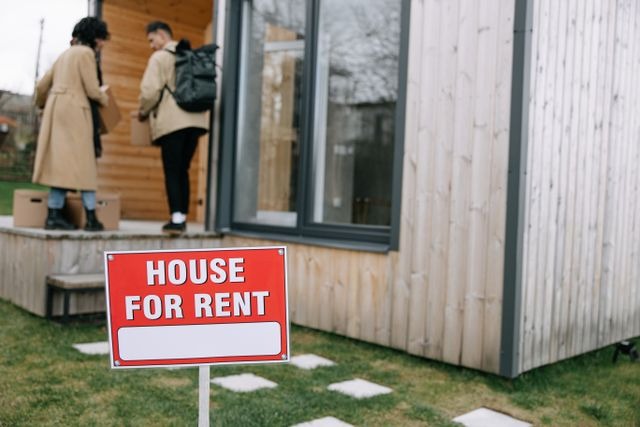
Landlords may continue paying mortgage expenses, insurance, property taxes, utilities, and maintenance costs without receiving rental income.
Option 2: Reducing the Asking Rent
Lowering the asking rent may increase a property's competitiveness and attract qualified applicants. A reasonable price adjustment can help landlords:
Generate additional rental inquiries.
Compete with similar available properties.
Reduce extended vacancy periods.
Improve potential annual rental income.
Reach tenants searching within specific budgets.
However, reducing rent does not guarantee immediate occupancy.
Landlords should review comparable listings and current rental market conditions before making adjustments.
Longer Vacancy vs. Lower Rent: Financial Comparison
The financial impact becomes clearer when comparing potential rental income during the first 12 months.
Consider a hypothetical rental property with an asking rent of $2,500 per month.
Maintaining the Higher Rent: If the property remains vacant for two months and rents for $2,500 per month during the remaining 10 months, the owner earns $25,000 in rental income.
Reducing the Rent: If the owner lowers the asking rent to $2,350 and secures a tenant after two weeks, the property generates approximately $27,025 over the first 12 months, assuming 11.5 occupied months.
In this example, reducing the monthly asking rent by $150 produces approximately $2,025 more rental income during the first 12 months.

The calculation assumes the reduced price results in faster occupancy and excludes other operating expenses.
Actual results depend on tenant demand, lease terms, and how quickly the property is rented.
Considering professional support for your rental properties?
Learn More About Gulf Income Properties
When Should Landlords Keep the Asking Rent?
Maintaining the advertised rental price may be appropriate when:
The property was recently listed.
Comparable rentals support the asking price.
The listing receives consistent inquiries.
The property offers desirable amenities.
Local rental demand remains strong.
The owner has sufficient financial reserves.
Landlords should continue monitoring listing performance rather than maintaining an unrealistic price indefinitely.
When Is Reducing Rent the Better Decision?
A rental price adjustment may be appropriate when:
The property has remained vacant longer than comparable listings.
Online inquiries are consistently low.
Prospective tenants are choosing less expensive alternatives.
Similar properties have reduced their asking prices.
Vacancy expenses are becoming significant.
The original rental price exceeds current market expectations.
A small, market-supported reduction may be more effective than waiting several additional weeks without rental income.
How to Reduce Vacancy Without Lowering Rent
Before adjusting the asking price, landlords can consider improving the property's presentation and marketing strategy. Potential improvements include:
Updating listing photographs.
Writing clearer property descriptions.
Highlighting desirable amenities.
Completing minor cosmetic improvements.
Making property showings more accessible.
Advertising through additional rental platforms.
Responding promptly to rental inquiries.
Landlords may also evaluate legally permissible leasing incentives, such as a one-time move-in credit.

Incentives should be compared carefully because they also affect total rental income.
How Much Does One Month of Vacancy Cost?
Vacancy costs extend beyond missed rent payments.
For a property advertised at $2,400 per month, one month without a tenant represents $2,400 in potential lost rental income, while ongoing expenses continue to accumulate.
These costs may include:
Mortgage expenses.
Property taxes.
Insurance premiums.
Utilities.
Landscaping.
Maintenance expenses.
Understanding the combined impact of lost rent and ongoing expenses can help landlords evaluate how quickly they need to fill a vacancy and whether a price adjustment is financially worthwhile.
How Property Managers Help Reduce Rental Vacancies
Professional property managers can help landlords develop rental pricing and marketing strategies based on property characteristics and local rental market conditions.
Their services may include:
Rental Market Analysis: Evaluating comparable properties and local demand to establish competitive rental prices.
Property Advertising: Promoting rentals through relevant platforms and preparing listing descriptions and photographs.
Showing Coordination: Organizing property showings and responding to prospective tenants.
Tenant Screening: Evaluating applicants using consistent screening criteria.
Lease Preparation: Coordinating leasing documents and move-in procedures.
Rental Performance Monitoring: Reviewing listing activity and recommending adjustments when necessary.
Working with a property management company can help landlords evaluate pricing strategies, coordinate leasing activities, and address potential vacancy issues.
While professional management cannot eliminate vacancies, organized leasing procedures can help reduce avoidable delays.
Need support managing your rental property investments?
Contact Gulf Income Properties Today!
Bottom Line
Choosing between accepting a longer vacancy vs. reducing the asking rent requires evaluating the financial impact of both options.
Maintaining a higher price may be reasonable when market conditions support it, but extended vacancies can reduce annual rental income.
A modest rent reduction may sometimes produce better results by securing occupancy sooner and limiting lost income.
Evaluating vacancy costs, comparable rental prices, and listing performance can help landlords make informed decisions that balance rental income with occupancy goals.
Gulf Income Properties can help rental property owners navigate pricing decisions, leasing strategies, and vacancy management to support their investment goals.
Frequently Asked Questions
Should Landlords Lower Rent for the Entire Lease Term?
Most standard residential leases establish a fixed monthly rent for the agreed term, so a reduction generally applies throughout that lease unless the agreement specifies otherwise.
Landlords should evaluate the long-term income impact of a pricing adjustment, not just the immediate benefit of filling a vacancy.
Is Offering a Move-In Incentive Better Than Lowering Monthly Rent?
A temporary incentive may help attract prospective tenants without permanently changing the advertised monthly rent.
However, landlords should compare the total financial value of the incentive against a rent reduction over the anticipated lease term and consider how each option affects future rental pricing expectations.
How Can Landlords Determine the Break-Even Point for a Rent Reduction?
Landlords can calculate how much additional occupancy a lower rent would need to generate to offset the reduced monthly income.
Comparing projected rental income under different vacancy and pricing scenarios can help determine whether a price adjustment is financially worthwhile rather than relying on assumptions.
Does a Rent Reduction Affect Future Rental Property Valuation?
Rental income can influence how investors evaluate a property's financial performance, particularly for income-producing properties.
However, a temporary pricing adjustment does not automatically reduce property value.
Valuation also depends on location, comparable sales, operating expenses, market conditions, and the property's overall income potential.
Should Landlords Adjust Rent Differently for Short-Term and Long-Term Investments?
Investment timelines can influence rental pricing decisions.
Owners planning to hold a property for many years may prioritize consistent occupancy and sustainable rental income.
A Landlord who’s preparing to sell may evaluate how rental performance, lease terms, and income stability affect the property's appeal to prospective buyers.